
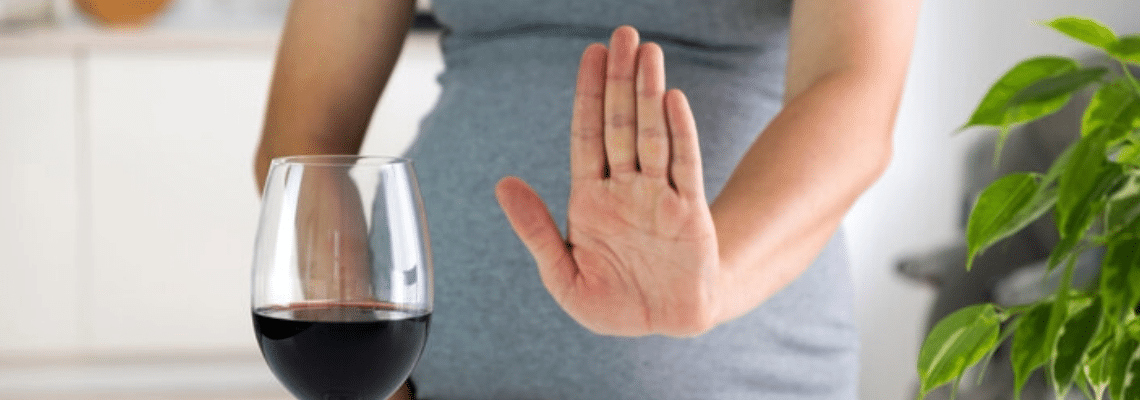
A new study published in JNeurosci reports on how experiences before birth can shape the brain and behavior later in life. Led by Mary Schneider and Alexander Converse of the University of Wisconsin-Madison, the interdisciplinary research investigated how alcohol consumption and stress during pregnancy affect the offspring of rhesus monkeys once they reach adulthood.
How Alcohol and Stress were Studied Before Birth
In the study, pregnant rhesus monkeys were exposed to different conditions. Some consumed moderate amounts of alcohol, others were exposed to mild stress, and still others experienced both. When the offspring reached adulthood, the researchers examined changes in the brain’s dopamine system and measured how much alcohol the animals consumed.
Both prenatal alcohol exposure and prenatal stress altered the dopamine system in the adult offspring. Monkeys that were exposed to alcohol before birth also drank alcohol more quickly as adults. Remarkably, measurements of the dopamine system taken before the animals consumed alcohol were able to predict their later drinking behavior. These findings are consistent with findings from studies on alcohol abuse in humans and suggest that certain differences in the brain may already be present before the onset of problematic alcohol consumption.
Brain Changes Associated With Alcohol Consumption
Alcohol consumption during pregnancy can influence the later alcohol consumption of offspring by altering the development of central brain systems responsible for reward, impulse control, and stress regulation. The dopamine system, which plays a key role in motivation and addiction, is particularly affected. Exposure of the fetus to alcohol can permanently alter the number, sensitivity, or function of dopamine receptors, as well as the connectivity of important brain regions such as the nucleus accumbens and prefrontal cortex. This can cause the brain to later respond more sensitively to the rewarding effects of alcohol or, conversely, less strongly to natural rewards—increasing the risk of experiencing alcohol as particularly effective or attractive.
In addition, prenatal alcohol exposure can alter the stress system (HPA axis). In studies, those affected often show an altered cortisol response and increased susceptibility to stress. Since alcohol has a short-term anxiolytic and stress-reducing effect, it can have a particularly strong relieving effect on these individuals, which increases the likelihood of regular or risky consumption. This is referred to as increased “vulnerability” to addictive behavior. Impulse control may also be impaired. If early alcohol exposure disrupts the development of the prefrontal cortex, decision-making, self-regulation, and risk assessment may be impaired. This increases the likelihood of experimenting with alcohol at an early age or having difficulty controlling consumption.
When the adult offspring consumed alcohol, the researchers observed additional changes in the dopamine system. These changes influenced how much alcohol each individual animal drank and varied from animal to animal. The research team suspects that these individual brain responses to alcohol may contribute to the development of typical drinking patterns into alcohol dependence in some individuals.
According to the researchers, the findings reinforce the message that alcohol consumption during pregnancy is not advisable, as it is associated with unhealthy drinking habits later in life. Although the study did not find a direct link between prenatal stress and drinking behavior in adulthood, the authors point out that prenatal stress may still influence other behaviors that were not examined in this study. The researchers also emphasize that their experimental design accurately reflects how prenatal alcohol exposure and stress occur in humans. This strengthens the clinical relevance of the findings and helps bridge the gap between animal studies and the effects on human health.
Tips for Pregnant Women
From a medical point of view, pregnant women are clearly advised to abstain from alcohol completely, as no safe level of consumption can be defined and even small amounts can potentially impair fetal development. Accordingly, it makes sense to consciously integrate non-alcoholic alternatives into everyday life and social situations.
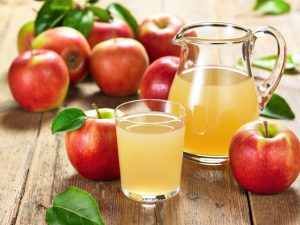
High-quality non-alcoholic options are available for social occasions, such as non-alcoholic sparkling wine or wine with 0.0% alcohol, non-alcoholic beer, or professionally prepared mocktails based on fruit juices, herbs, bitters, and mineral water. Flavored water (e.g., with citrus fruits, berries, or fresh herbs) is also a tasty alternative. When purchasing, look for the “0.0%” label, as products labeled “non-alcoholic” may contain small amounts of alcohol.
With regard to stress reduction and relaxation, for which alcohol is often used, health-promoting alternatives are recommended, such as regular exercise, breathing exercises, mindfulness-based techniques, pregnancy yoga, or relaxation techniques such as progressive muscle relaxation. Fixed evening rituals with caffeine-free beverages such as rooibos or mild herbal teas can also be helpful. For women who find it difficult to abstain or who have a problematic consumption pattern, early medical consultation or addiction therapy support is recommended. An open discussion during prenatal care is expressly advisable and serves to protect both mother and child.
Related Posts
-
-
It is exciting to see how a baby develops in the womb. During the nine-month…
-

Researchers at Weill Cornell Medicine have discovered in a preclinical model that cytokines - proteins…


