

A new study from MIT suggests that a carcinogenic chemical found in some medications and in drinking water contaminated by industrial activities may pose a far greater risk to children than to adults. In experiments with mice, the researchers found that young animals exposed to water containing the compound known as NDMA developed far more DNA damage and cancer than older mice exposed to the same level of exposure. These findings could help clarify earlier research linking prenatal exposure to NDMA with higher cancer rates among children living near a contaminated site in Wilmington, Massachusetts. The study also underscores the importance of investigating how potential carcinogens affect people at different stages of life.
“We very much hope that groups conducting safety tests will change their paradigm and start studying young animals so that we can identify potential carcinogens before humans are exposed to them,” says Bevin Engelward, a professor of biotechnology at MIT. “As a solution to cancer, cancer prevention is clearly much better than cancer treatment, so we hope we can identify dangerous chemicals before people are exposed to them and thus prevent a high risk of cancer.” MIT postdoctoral researcher Lindsay Volk is the lead author of the study, which was published in Nature Communications. Engelward is the senior author.
NDMA Exposure Through Water, Medications, and Food
NDMA (N-nitrosodimethylamine) is a byproduct of various industrial processes. It is also found in cigarette smoke and processed meat products. In recent years, it has been detected in certain versions of the medications valsartan, ranitidine, and metformin. In the 1990s, NDMA was also found in drinking water in Wilmington, Massachusetts, due to contamination from the Olin Chemical site. A 2021 report by the Massachusetts Department of Public Health suggested a link between this contamination and a higher number of childhood cancer cases in the region. Between 1990 and 2000, 22 children in Wilmington were diagnosed with cancer. The affected wells were shut down in 2003. That same year, Engelward and colleagues published research explaining how NDMA can cause cancer at the molecular level. In this latest study, the team focused on understanding why younger people appear to be more susceptible than adults.
How NDMA Damages DNA and Triggers Cancer
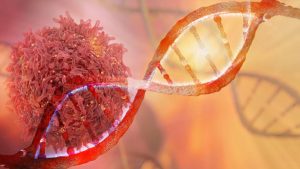
Most studies on carcinogens rely on adult mice, which are typically at least 4 to 6 weeks old. In this study, the researchers compared two groups: young mice aged 3 weeks and adult mice aged 6 months. Both groups drank water containing small amounts of NDMA—about five parts per million—over a two-week period. In the body, NDMA is broken down by a liver enzyme called CYP2E1. This process produces harmful byproducts that attach small chemical units, known as methyl groups, to the DNA. These changes form lesions known as adducts.
Upon examining liver tissue, the scientists found that both young and adult mice developed similar levels of these initial DNA adducts. The difference lay in how the cells reacted afterward. In young mice, the damage led to an accumulation of double-strand DNA breaks, which occur when cells attempt to repair the adducts. These breaks can cause mutations that ultimately lead to liver cancer. In contrast, adult mice showed almost no double-strand breaks and far fewer mutations. Nor did they develop severe diseases or tumors in their livers, even though they had similar levels of initial DNA damage. “The initial structural changes in the DNA had very different consequences depending on age,” says Engelward. “The double-strand breaks were observed exclusively in the young animals.”
Rapid cell growth increases the risk in adolescents
Further analyses showed that the decisive factor for this difference lies in how quickly the cells divide. In young livers, cells actively grow and divide, which increases the likelihood that DNA damage will lead to permanent mutations. Adult liver cells divide much less frequently, giving them more time to repair damage before it becomes harmful. “This really underscores the overarching issue we want to highlight in this work,” says Volk. “In toxicological studies, it is often standard practice to use adult mice. By this stage, cell division has already slowed down, so when we test the harmful effects of NDMA on adult mice, we completely overlook how vulnerable certain groups are, such as younger animals.” Although the liver showed the most severe effects, a small number of mice also developed other types of cancer, including lung cancer and lymphomas.
The risk in adults depends on health and cell activity
To make it easier to observe mutations, many experiments used mice lacking two key DNA repair systems. This approach accelerates mutation formation and reduces the number of animals needed for the study. However, even in mice with normal DNA repair, young animals experienced NDMA-induced double-strand breaks, rapid cell growth, and widespread mutations that were not observed in adults. This occurs because rapidly dividing cells sustain DNA damage faster than it can be repaired.
The researchers also found that increased cell division in adult mice altered the outcome. When adults were treated with thyroid hormone, which stimulates liver cell growth, their cells began to accumulate mutations at a rate similar to that seen in young animals. Previous work from Engelward’s lab has shown that inflammation can also boost cell division, suggesting that conditions that stress the liver could increase susceptibility to NDMA.
“We certainly don’t want to claim that adults are completely resistant to NDMA,” says Volk. “Everything influences susceptibility to a carcinogen, whether it’s genetics, age, diet, and so on. In adults, a viral infection, a high-fat diet, or chronic alcohol abuse can influence cell proliferation in the liver and potentially make them susceptible to NDMA.” The team is now investigating how a high-fat diet might influence cancer risk in animals exposed to NDMA.
Related Posts
-

A novel gene therapy targeting a form of hereditary deafness has restored hearing in five…
-

Water breaking is a pivotal moment for pregnant women that culminates in a child's birth.…
-

A study by Edith Cowan University (ECU) has found that children whose mothers suffered from…


