

A study by Ohio University, published in Breastfeeding Medicine, examines the link between high blood pressure before pregnancy and the duration of breastfeeding. The researchers show that women with pre-existing hypertension are significantly more likely to stop breastfeeding earlier and less likely to reach the recommended breastfeeding duration of at least three months than women without high blood pressure. This effect remains even when women who develop hypertension during pregnancy are excluded. This identifies high blood pressure before pregnancy as an independent risk factor.
Specifically, women with hypertension before pregnancy were about 14% less likely to breastfeed for at least three months and stopped breastfeeding significantly earlier on average – in some cases up to 17 weeks earlier than women without hypertension. The study is particularly relevant because it focuses on the period before pregnancy, a period that has been little studied but is crucial. The results underscore the importance of early identification and targeted support for these women in order to prevent them from stopping breastfeeding and to make better use of the health benefits of breastfeeding for mother and child.
High Blood Pressure Before Pregnancy
High blood pressure before pregnancy (chronic hypertension) is when blood pressure is elevated before conception or before the 20th week of pregnancy. It affects a significant proportion of pregnant women and is particularly important because it can influence the course of pregnancy and also the period after birth.
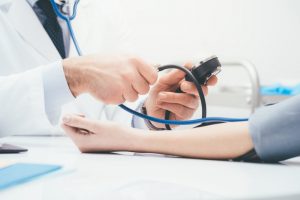
Women with pre-existing high blood pressure have an increased risk of pregnancy complications, including gestational hypertension, preeclampsia, placental problems, premature births, and growth retardation in the child. Surgical deliveries are also more common. High blood pressure itself often causes no symptoms and is therefore easily underestimated without regular checkups.
Causes often include genetic predisposition, obesity, lack of exercise, high salt intake, chronic stress, or comorbidities such as diabetes mellitus or kidney disease. Many affected women are already receiving medication before pregnancy, but some blood pressure medications are not suitable during pregnancy.
That is why good preparation before pregnancy is particularly important. This includes stable blood pressure control, switching to medications suitable for pregnancy if necessary, normalizing weight, healthy eating, and regular exercise. During pregnancy, close blood pressure monitoring and close supervision by a gynecologist and, if necessary, a cardiologist are necessary. Even after birth, pre-existing high blood pressure remains relevant, as it increases cardiovascular risk in the long term.
The Most Important Study Results
The study was the first to systematically investigate whether high blood pressure before pregnancy (prepregnancy hypertension) is related to the duration of breastfeeding. While previous research has mostly looked at blood pressure during pregnancy, this analysis focuses on the condition before pregnancy in order to clarify the influence of pre-existing hypertension on breastfeeding behavior. Data from 127,510 women from the Pregnancy Risk Assessment Monitoring System (PRAMS) for the years 2016–2022 was used. Of these, approximately 3.3% (4,543 women) had confirmed high blood pressure before pregnancy. The study examined whether the women breastfed for at least 3 months. It analyzed both how many women achieved this goal and how quickly breastfeeding was discontinued.
Overall, about 71.5% of all women breastfed for at least 3 months. Among women with hypertension before pregnancy, this proportion fell to 66.1%, compared with 71.6% among women without hypertension. After taking other influencing factors into account (e.g., age, socioeconomic status, pregnancy complications), women with hypertension had a significantly lower chance of breastfeeding for three months or longer. The probability of stopping breastfeeding before three months was significantly higher in women with hypertension.
The results show that high blood pressure before pregnancy is an independent risk factor for shorter breastfeeding duration. Even when other known influencing factors are controlled for, the risk remains elevated. This suggests that health conditions before pregnancy may have long-term effects on breastfeeding behavior.
Targeted Breastfeeding Support
The study emphasizes that identifying and treating hypertension before pregnancy could be important not only for obstetric outcomes but also for breastfeeding goals. Women with pre-existing high blood pressure could benefit from targeted breastfeeding support and counseling before and after birth to better realize the health benefits of breastfeeding for mother and child.
In practice, this may include the following:
Even before giving birth, these women should receive individual breastfeeding counseling in which realistic breastfeeding goals are discussed and possible difficulties are openly addressed. This also includes educating them about the health benefits of breastfeeding, especially for women with high blood pressure, for example in terms of cardiovascular risk. At the same time, it should be checked whether blood pressure-lowering medications are compatible with breastfeeding in order to avoid unnecessary discontinuation of breastfeeding.
Close monitoring is particularly important immediately after birth. Early skin contact, support with the first latch, and frequent breastfeeding can help to stabilize milk production, which is often delayed in women with pre-existing conditions or who have undergone medical procedures. Good coordination between midwives, breastfeeding counselors, and medical staff also plays a key role here.
In the weeks after giving birth, these women benefit from regular follow-up care, such as visits from midwives or outpatient breastfeeding counseling. This allows problems such as uncertainty, exhaustion, blood pressure fluctuations, or concerns about medication to be identified and addressed at an early stage. Offering alternative breastfeeding strategies, such as partial breastfeeding, can also help reduce pressure while still achieving health benefits.
Related Posts
-

Women whose blood pressure levels during pregnancy fall within the range considered clinically normal, but…
-

High blood pressure is the most common medical condition during pregnancy, complicating two to three…
-

As a pregnant mother, you likely know the importance of monitoring your overall nutrition, as…


