
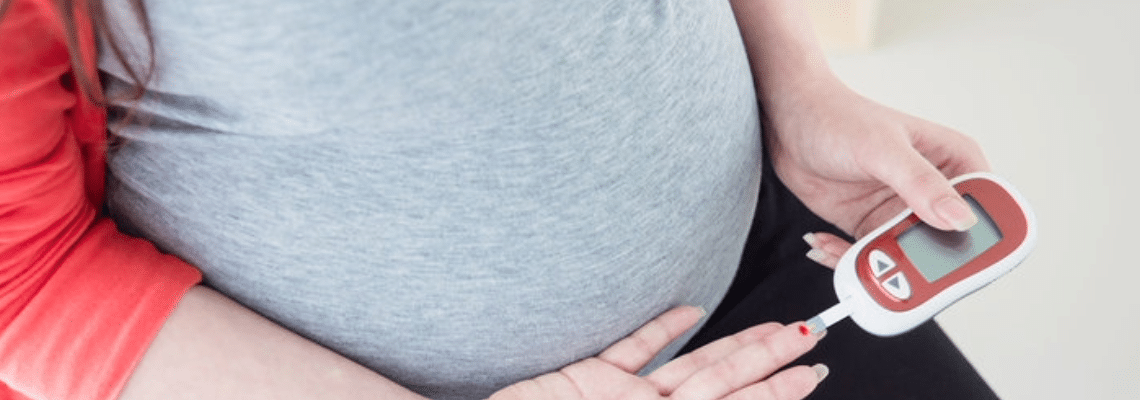
New research shows that automated insulin delivery technology could represent a groundbreaking innovation for pregnant women with type 1 diabetes. The technology, known as “hybrid closed-loop technology,” delivers insulin doses based on a smartphone algorithm. The study shows that, compared to conventional insulin pumps or multiple daily injections, it could help pregnant women better control their blood sugar levels. According to lead researcher Prof. Helen Murphy of UEA’s Norwich Medical School, this technology is groundbreaking because it enables more women to have a safer, healthier, and more comfortable pregnancy, with potential lifelong benefits for their babies.
How the Technology Benefits Expectant Mothers With Type 1 Diabetes
Type 1 diabetes is a chronic condition in which the immune system destroys the insulin-producing beta cells in the pancreas. Insulin is a hormone that ensures sugar (glucose) is taken up from the blood into the cells, where it serves as an energy source. In type 1 diabetes, this hormone is absent, so blood sugar levels are consistently too high. The disease usually appears in childhood or adolescence, but can also begin in adulthood. It is an autoimmune condition and incurable; those affected must take insulin externally for the rest of their lives, either via injections or insulin pumps. Without treatment, type 1 diabetes can lead to acute problems such as hypoglycemia or diabetic ketoacidosis and cause long-term damage to the nerves, eyes, kidneys, and cardiovascular system. Careful blood sugar control is therefore essential. For women with type 1 diabetes, blood sugar control during pregnancy is particularly critical, as both mother and child are highly dependent on stable levels.
Murphy explained: “Despite improved systems for blood glucose monitoring and insulin delivery, changes in eating habits and hormonal shifts during pregnancy mean that most women struggle to achieve the recommended blood glucose targets. This means that complications related to type 1 diabetes during pregnancy are widespread and affect one in two newborns. For the baby, these include preterm birth, the need for intensive care after birth, and excessive birth weight, which increases the lifelong risk of overweight and obesity. Low blood sugar, excessive weight gain, and high blood pressure during pregnancy are common among mothers. We wanted to investigate how automated insulin delivery might help.”
The team tested a technology known as a “hybrid closed-loop” or “artificial pancreas.” It consists of an algorithm that runs on a smartphone and communicates with conventional continuous glucose monitoring systems and insulin pumps. The system adjusts the insulin dose every 10–12 minutes based on blood glucose levels, meaning it continuously responds to the constant fluctuations in blood glucose levels during pregnancy. The team compared this technology with conventional continuous glucose monitoring and insulin delivery systems, in which women—supported by specialized diabetes pregnancy teams—must make decisions about insulin dosage multiple times a day. The study included 124 pregnant women with type 1 diabetes aged 18 to 45 who were managing their condition with daily insulin therapy. Half were randomly assigned to the group using hybrid closed-loop technology, and the other half to the group using conventional insulin therapy (insulin pumps or multiple daily injections). The study was conducted at nine NHS hospitals in England, Scotland, and Northern Ireland, and the women participated for approximately 24 weeks (from the 10th to the 12th week) until the end of their pregnancies. It was supported by the Norwich Clinical Trials Unit and the Jaeb Center for Health Research. On average, pregnant women used the hybrid closed-loop technology more than 95 percent of the time.
Better Blood Sugar Levels During Pregnancy
Prof. Murphy said: “We found that the technology helped significantly lower mothers’ blood sugar levels throughout their pregnancy.” “This technology is groundbreaking because it enables more women to have a safer, healthier, and more comfortable pregnancy and brings potential lifelong benefits for their babies.” Compared to conventional insulin therapy methods, women using this technology spent more time within the target range for pregnancy blood sugar—68 percent versus 56 percent, which equates to an additional two and a half to three hours per day throughout the entire pregnancy. Treatment was safely initiated in the first trimester, a critical phase for the baby’s development. Blood glucose levels improved consistently among mothers of all ages, regardless of their previous blood glucose levels or prior insulin therapy. These improvements were achieved without additional hypoglycemia and without additional insulin.
The team also found that women who used this technology gained 3.5 kg less weight and experienced fewer blood pressure complications during pregnancy. Importantly, women who used this technology also had fewer appointments at the maternity clinic and fewer after-hours calls to the maternity clinic teams, suggesting that this technology could also save time for pregnant women and for busy obstetric services. “For a long time, there has been limited progress in improving blood sugar levels in women with type 1 diabetes, so we are very pleased that our study offers a new option to help pregnant women manage their diabetes,” said Prof. Murphy. “We know that in women with type 1 diabetes, unborn babies are extremely sensitive to even small increases in blood sugar; so it is crucial to keep blood sugar levels within the normal range during pregnancy to reduce risks for both mother and child. Previous studies have confirmed that every additional hour spent within the target blood sugar range reduces the risk of preterm birth, excessive birth weight, and the need for admission to the neonatal intensive care unit. The researchers point out several limitations, including that the current study was too small for a detailed examination of the babies’ health outcomes and that its results are specific to CamAPS technology and therefore cannot be generalized to closed-loop systems with higher blood glucose target ranges, which may not be suitable for use during pregnancy. However, recent research shows similar results.
The CIRCUIT study (2025) is a randomized clinical trial that re-examined how well automated insulin delivery systems (closed-loop) help pregnant women with type 1 diabetes. It was conducted by an international team of diabetes and maternal-fetal medicine specialists, led by several university hospitals in Canada and Australia. In the study, 91 women were treated with either a closed-loop system or conventional therapy (insulin pump or multiple daily injections) from early pregnancy through postpartum. The results show that women using closed-loop systems spent significantly more time within the target blood glucose range (65% vs. 50%), experienced fewer severe fluctuations, and did not experience an increase in hypoglycemia. Long-term markers such as HbA1c also improved, and complications such as preeclampsia tended to occur less frequently. Due to the study’s sample size, no clear differences could yet be identified for the newborns. The CIRCUIT study used a different closed-loop system and included follow-up through the postpartum period, whereas the 2023 study primarily utilized UK centers and was limited to the duration of pregnancy. Both studies consistently confirm that automated insulin delivery significantly improves blood glucose control during pregnancy and is safe.
Related Posts
-

When you are pregnant, learning the signs, symptoms, and risks for developing gestational diabetes is…
-

Just because you're pregnant is no reason to put off your exercise routine. Pregnant women…
-

Guest Author: Dr. Linda Burke-Galloway, MD The American College of Obstetricians and Gynecologists and The…


