
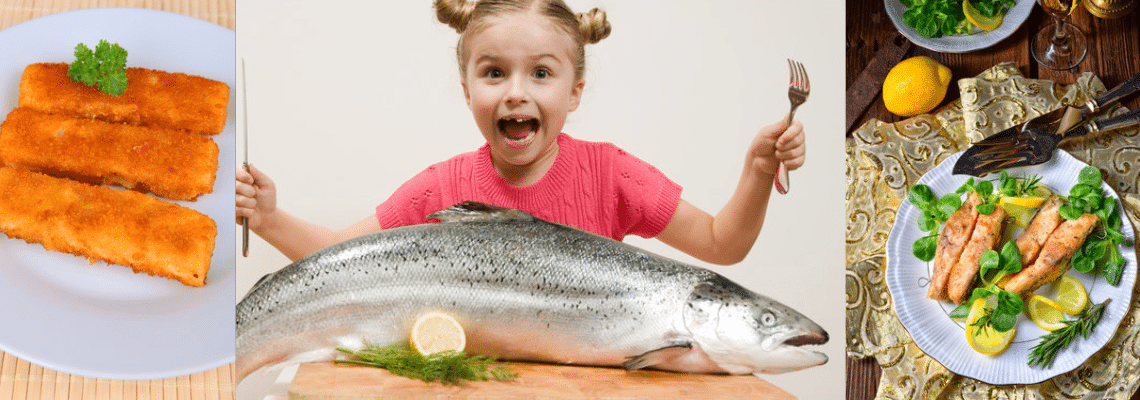
According to recent research, children who consumed the least amount of seafood at age 7 tended to exhibit less “prosocial” behavior at ages 7 and 9 than children who regularly ate seafood. “Prosocial” behavior includes friendly interactions, altruism, and sharing. The new study from the University of Bristol reveals a link between fish consumption and children’s behavioral development.
The Health Benefits of Fish
Seafood is a source of many important nutrients for children, including omega-3 fatty acids, selenium, and iodine, and is generally considered an indicator of a healthy lifestyle. It is recommended that children eat at least two servings of fish per week, one of which should be fatty fish such as salmon or mackerel. Healthy fatty acids—particularly DHA and EPA—support the development of the brain and nervous system and can promote concentration, learning ability, and vision. Especially in children, the brain and eyes are still in a critical developmental phase, which is why omega-3 fatty acids are considered particularly important.
In addition, seafood contains high-quality protein, which is necessary for muscle building, cell growth, and overall physical development. Fish also provides important vitamins such as vitamin D and vitamin B12. Vitamin D supports bone development and the immune system, while vitamin B12 is important for blood formation and nervous system function. Many children do not meet the recommended vitamin D intake, which is why fatty fish is a valuable natural source. Iodine supports thyroid function and is crucial for growth and brain development. Selenium acts as an antioxidant and helps protect cells from damage. Sea fish in particular is considered a good natural source of iodine, which can be especially important in regions with low iodine intake. Several studies also suggest that regular fish consumption can have long-term positive effects on cardiovascular health. Children who eat a balanced diet and consume fish regularly often take in more healthy nutrients overall and are more likely to develop beneficial long-term eating habits.
Link Between Fish Consumption in Children and Behavioral Development
The researchers used questionnaire data from 5,969 participants in the “Children of the 90s” study to continue this groundbreaking longitudinal study. The data were collected over a two-year period and adjusted for social and demographic factors. Most studies examining the link between seafood and cognitive abilities have focused on fish consumption during pregnancy and its effects on the baby. Previous studies have called for more research on fish consumption among the children themselves, as the overall effects of fish consumption on children’s brain development remain unclear. Nearly all children in the study did not consume enough seafood to meet NHS recommendations. This may be because experts have previously warned parents that excessive fish consumption could increase the risk of exposure to contaminants such as mercury.

Prosocial behavior begins to develop when children are between 1 and 2 years old and typically increases in frequency and complexity as they grow up. Fostering prosocial behavior is crucial for a well-functioning society, underscoring the importance of early childhood development and the role of good nutrition during childhood. In the “Children of the 90s” study, prosocial behavior was measured using parent questionnaires about their children at ages 7 and 9. The researchers also examined associations between seafood consumption at age 7 and IQ but found no link.
Dr. Caroline Taylor, associate professor of nutrition at the University of Bristol, said: “When there are conflicting recommendations, it can be difficult to know what to do. Our previous studies have shown that eating fish during pregnancy in the UK can have a positive impact on child development. This has also been observed in countries where fish consumption is higher than here, so promoting fish consumption is likely to have a positive impact on child development. “Our evidence of a link between fish consumption in children and optimal behavioral development is clear, and we strongly recommend that parents give their children at least two portions of fish per week, in line with NHS guidelines. We hope that these research findings will empower parents to give their children the best start in life.” The study was launched in the early 1990s by Professor Jean Golding and has contributed to well over 3,000 research papers. The new funding will enable the study to continue its groundbreaking research, with a focus on the third generation of participants.
Consumption of Highly Processed Foods May Lead to Lower Physical Fitness in Children
Previous research has examined the effects of highly processed foods on children’s health. A study found that children aged 3 to 5 who consumed more highly processed foods had poorer motor skills than those who consumed fewer of these foods. In addition, 12- to 15-year-olds who consumed more of these foods showed lower cardiovascular fitness. Although previous research has shown that consuming highly processed foods is linked to a higher risk of cardiovascular disease in adults, this is one of the first studies to demonstrate a connection between the consumption of these products and lower physical fitness in children. This study included ultra-processed foods such as packaged snacks, breakfast cereals, candy, sodas, sweetened juices and yogurts, canned soups, and ready-to-eat meals such as pizza, hot dogs, burgers, and chicken nuggets.

“Healthy eating and physical activity habits are established at a very young age,” said the lead researcher, Dr. Jacqueline Vernarelli, associate professor and director of the Master’s program in Public Health at Sacred Heart University. “Our findings highlight the need to educate families about cost-effective ways to reduce consumption of ultra-processed foods in order to lower the risk of cardiovascular disease in adulthood.”
To examine the link between physical fitness and ultra-processed foods across different stages of childhood, the researchers analyzed data from the National Health and Nutrition Examination Survey (NHANES) National Youth Fitness Survey. This 2012 survey used interviews and fitness tests to collect data on physical activity, fitness levels, and dietary intake from more than 1,500 U.S. children aged 3 to 15. Ultra-processed foods were identified using NOVA, a system that categorizes foods and beverages by their degree of processing. For children aged 5 and younger, the researchers used motor development as a measure of physical fitness. The analysis found that children with the lowest scores in motor development consumed 273 more calories daily from ultra-processed foods than children with the highest scores in motor development.
Future Measures to Promote Healthy Eating
For older children, cardiovascular fitness was used as a measure of physical fitness. The study showed that adolescents and preteens with good cardiovascular fitness consumed 226 fewer calories daily from ultra-processed foods than those who did not have good cardiovascular fitness. “Although highly processed ready-made meals are easy to slip into a school bag, our research shows how important it is to prepare healthy snacks and meals,” said Vernarelli. As a next step, the researchers want to examine consumption patterns of highly processed foods by age group in greater detail. For example, do children tend to eat these foods for breakfast, lunch, or as a snack? A better understanding of how and when these foods are consumed could help improve future measures to promote healthy eating.
Related Posts
-

While it's natural for women to gain weight during pregnancy, when a mother gains excessive…
-

Fish oil during pregnancy is a great way to get omega-3 fatty acids into your…
-

According to the experts, what are the real dangers of eating fish during pregnancy? All…


