

If an ultrasound reveals that a baby is smaller than expected, this understandably causes anxiety for expectant parents. However, not every small baby is automatically at risk. The key factor is whether this is simply a natural predisposition or whether there is actually a growth disorder. What causes might be behind this, what role the placenta plays, and how doctors monitor the development of the unborn child.
When the Baby is Smaller Than Expected
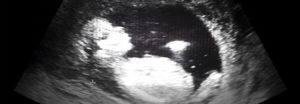
During pregnancy, the development of the unborn child is monitored regularly. During an ultrasound, doctors measure, among other things, the head circumference, abdominal circumference, and the length of the femur. From these measurements, the estimated weight of the baby can be calculated. If this weight is below the expected range, it may be an indication of a growth abnormality.

Medically, a distinction is made between two situations: a small but healthy baby and actual growth restriction. Some children are simply smaller by nature. This can be related, for example, to the parents’ height. As long as the baby is developing in line with its individual predisposition and the supply of nutrients via the placenta is functioning properly, there is not necessarily cause for concern. The situation is different if the child does not reach its actual growth potential because, for example, it is not receiving an adequate supply of oxygen and nutrients. Doctors then refer to this as fetal growth restriction (FGR).
What Does Fetal Growth Restriction Mean?
Doctors suspect a possible growth restriction when an unborn child is significantly smaller than expected for the current week of pregnancy. A commonly used benchmark is the 10th percentile. This means that about 10 percent of babies at the same gestational age weigh less, while 90 percent weigh more. However, this alone is not necessarily a cause for concern. Some babies are simply smaller due to their genetic makeup and still develop completely healthy.
Therefore, it’s not just the estimated weight that matters, but also how the baby develops over several weeks. If the baby stays on a low but steady growth curve, this can be completely harmless. If, on the other hand, the growth curve drops significantly, this may indicate that the child is not reaching its full growth potential. One possible cause is impaired placental function, which prevents the baby from receiving an adequate supply of oxygen and nutrients.
To better assess the situation, doctors regularly monitor growth via ultrasound. In addition, a Doppler examination can show how well blood is flowing through the placenta and the umbilical cord. The amount of amniotic fluid is also taken into account. Only by considering these findings together is it possible to determine whether the baby is simply small but healthy or whether there is actually a growth disorder. The 10th percentile alone does not constitute a diagnosis.
The Placenta Plays a Crucial Role
The placenta is the unborn child’s most important source of nourishment during pregnancy. Through it, the baby receives oxygen and essential nutrients from the mother’s blood. At the same time, the baby’s metabolic waste products are removed. For this process to function properly, the placenta must have an adequate blood supply and perform its tasks reliably.
If its function is impaired, the baby’s growth may be affected. The baby may no longer receive enough oxygen and nutrients, causing it to grow more slowly than expected. Such circulatory disorders are particularly often associated with changes in the blood vessels within the placenta. The consequences can occur early in pregnancy or may not become apparent until the third trimester.
Possible risk factors include high blood pressure, preeclampsia, and certain chronic conditions in the mother. Smoking can also impair placental function. However, impaired blood supply does not automatically mean that the baby is immediately at risk. Regular checkups are crucial for assessing the baby’s development and blood flow in a timely manner.
What Other Causes are there?
The cause is not always related to the placenta. Other factors can also influence the growth of the unborn child. These include:

- High blood pressure and preeclampsia: These conditions can impair blood flow to the placenta.
- Smoking: Nicotine and other harmful substances can impair the oxygen supply to the unborn child.
- Maternal conditions: For example, certain kidney, vascular, or autoimmune diseases.
- Infections: Certain infections during pregnancy can affect the baby’s development.
- Genetic factors: Chromosomal abnormalities or other genetic factors can also play a role.
- Multiple pregnancies: In the case of twins or triplets, growth conditions may differ from those in a singleton pregnancy.
Sometimes, despite thorough examinations, no clear cause can be identified.
How Do Doctors Determine Whether the Baby is Growing Sufficiently?
If a growth disorder is suspected, the pregnancy is monitored more closely. Several tests play a role in this process.
Ultrasound Measurements
Doctors regularly check the baby’s size and calculate the estimated weight. It is particularly important to determine whether the baby is growing steadily throughout the pregnancy.
A special ultrasound examination can measure blood flow in specific vessels. Blood flow through the umbilical artery is of particular interest. It provides information on how well blood is flowing through the placenta and whether the unborn baby is receiving adequate nourishment.
Fetal Heart Rate Monitoring
Depending on the week of pregnancy and the medical situation, a CTG may also be performed. This procedure records the baby’s heart sounds and, if necessary, uterine contractions. By combining these tests, doctors can better assess whether the baby can remain safely in the womb or whether an earlier delivery is necessary.
What Happens if the Baby is Actually Growing too Slowly?
Further care depends on how severely growth is restricted, the mother’s current week of pregnancy, and how well the baby is being nourished. In cases of mild growth restriction and normal blood flow values, regular checkups may be sufficient. If, on the other hand, placental function is significantly impaired, examinations must be conducted more frequently.
In some cases, it may be necessary to induce labor early or deliver the baby via cesarean section. The goal is to find the right timing: The baby should benefit from development in the womb for as long as possible, but at the same time should not be exposed to any unnecessary risk. In cases of severe growth restriction, therefore, a premature birth may be the safer option.
Can You Influence the Baby’s Growth?
Many pregnant women wonder if there is anything they can do themselves to help their baby grow better. First and foremost, it’s important to note that impaired placental function cannot simply be remedied by eating more or consuming certain foods.

A balanced diet, avoiding nicotine and alcohol, and proper management of existing medical conditions are important components of a healthy pregnancy. However, they cannot reverse an existing placental disorder.
Bed rest or severely restricting physical activity are also not considered proven treatments for fetal growth restriction. Medical monitoring and individualized care are therefore crucial.
When Should Expectant Parents be Especially Vigilant?
A diagnosed growth abnormality does not automatically mean that the baby is in immediate danger. Nevertheless, it should be taken seriously and monitored by a doctor. It is particularly important to pay attention to the baby’s usual movements.
If the movements become noticeably fewer or change significantly, the pregnant woman should contact her maternity clinic or midwife immediately and not wait until her next prenatal appointment. Medical evaluation should also be sought immediately in the event of severe headaches, visual disturbances, or pain in the upper abdomen. Such symptoms can be warning signs of preeclampsia, among other conditions.
Conclusion: Not Every Small Baby is Automatically at Risk
If a baby in the womb is smaller than expected, this does not necessarily indicate a medical condition. Some babies are simply more petite and still develop perfectly healthy. The key factor is whether growth is progressing steadily and whether the baby is receiving adequate nourishment via the placenta.
Through regular ultrasound exams, Doppler measurements, and other checkups, doctors can identify potential problems early on and adjust care accordingly. For expectant parents, one thing is especially important: A low estimated weight alone does not tell the whole story about the health of the unborn child. Only a comprehensive assessment of the baby’s development and nutrient supply allows for a reliable evaluation.
Related Posts
-
During every mother's pregnancy, there are often concerns about food intake and overall weight. However, one…
-

New research demonstrates increased pregnancy risk with boys that may affect both mother and baby.…
-

Girl or boy? This is one of the most exciting questions that expectant parents ask…


