
An analysis of health and dietary data from more than 8,500 pregnant women found that stricter adherence to a Mediterranean diet was associated with a lower risk of preeclampsia. Preeclampsia is a pregnancy complication characterized by severely elevated blood pressure that can have serious or even fatal consequences for both the mother and the child. The reduction in the risk of preeclampsia was greatest among Black women—a population group at high risk for preeclampsia. These findings come from a new study published in the Journal of the American Heart Association.
The Benefits of the Mediterranean Diet
The Mediterranean diet is based on the traditional eating habits of people in countries such as Greece, southern Italy, and parts of Spain. It is considered one of the healthiest diets in the world and is less of a diet and more of a long-term eating style. Numerous scientific studies show that it can reduce the risk of cardiovascular disease, type 2 diabetes, and other chronic diseases.

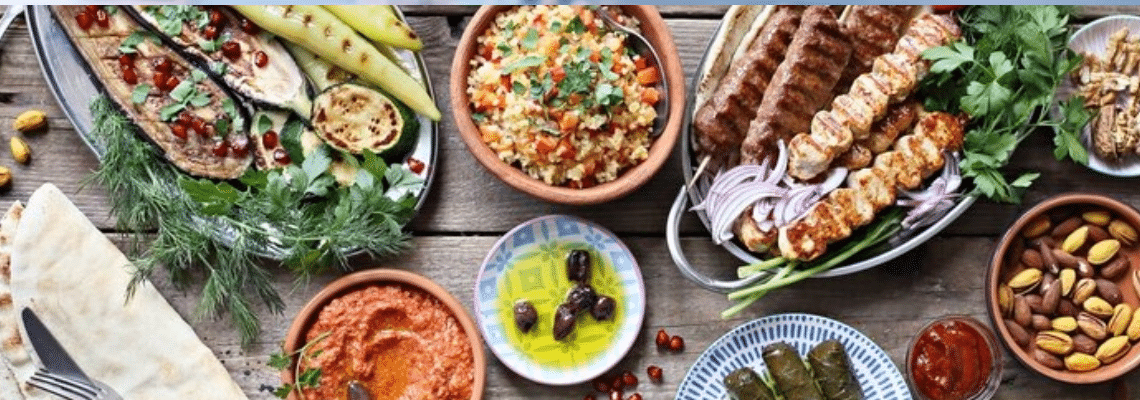
The Mediterranean diet centers on fresh vegetables, salad, fruit, legumes, whole grains, as well as nuts and seeds. The primary source of fat is high-quality olive oil, which is rich in monounsaturated fatty acids and antioxidant plant compounds. Fish and seafood are included in the diet several times a week, while dairy products such as plain yogurt or cheese are consumed in moderate amounts. Poultry and eggs are also permitted, whereas red meat, processed meats, highly processed foods, and sweets are only consumed occasionally.
The health-promoting effects of the Mediterranean diet stem from its balanced composition. It provides ample fiber, vitamins, minerals, and phytochemicals, which have anti-inflammatory effects and can protect cells from damage. At the same time, it consists mainly of healthy fats that have a positive effect on cholesterol levels and heart health. Studies also show that a Mediterranean diet can lower blood pressure, improve blood sugar control, and reduce the risk of heart attack and stroke.
However, the Mediterranean lifestyle involves more than just food. Regular exercise, shared meals, adequate sleep, and an overall active lifestyle are also important components of this dietary approach. It is precisely this combination of a balanced diet and healthy lifestyle habits that makes the Mediterranean diet one of the most extensively researched and most frequently recommended dietary patterns worldwide.
The Mediterranean Diet and Preeclampsia
Previous studies have shown that the Mediterranean diet reduces the risk of heart disease in adults. Preeclampsia, a condition that occurs during pregnancy and is characterized by severe high blood pressure as well as liver or kidney damage, is one of the leading causes of complications and death for both the mother and her unborn child. Preeclampsia also more than doubles a woman’s risk of developing heart diseases later in life, such as high blood pressure, heart attack, stroke, or heart failure. Women with preeclampsia have a higher risk of preterm birth (birth before the 37th week of pregnancy) or of having low-birth-weight babies, and children of mothers with preeclampsia also have an increased risk of developing high blood pressure and heart disease later in life. Black women are at higher risk of developing preeclampsia, but according to the study’s researchers, research on potential treatment approaches for high-risk patients is limited.
The researchers investigated the potential association of a Mediterranean diet in a large group of women of various races and ethnic backgrounds who are at high risk for preeclampsia. “The U.S. has the highest maternal mortality rate among developed countries, and preeclampsia contributes to this,” said Anum S. Minhas, M.D., M.H.S., senior resident in cardiology and fellow in cardio-obstetric medicine and advanced imaging at Johns Hopkins University in Baltimore. “Given these health risks for both mothers and their children, it is important to identify modifiable factors to prevent the onset of preeclampsia, particularly among Black women, who are at the highest risk for this serious pregnancy complication.”

This study included data from more than 8,500 women enrolled in the Boston Birth Cohort between 1998 and 2016. The median age of the participants was 25 years, and they were recruited from Boston Medical Center, which serves a predominantly urban, low-income, and racially and ethnically underrepresented population. Nearly half of the participants were Black women (47%), about a quarter were Hispanic women (28%), and the rest were White women or women of “other” ethnicities, as self-identified in a postpartum questionnaire. The researchers created a Mediterranean diet index based on the participants’ responses to dietary frequency interviews and questionnaires administered within three days of delivery.
The analysis revealed: “We were surprised that women who consumed foods associated with the Mediterranean diet more frequently had a significantly lower risk of developing preeclampsia, with Black women showing the greatest reduction in risk,” said Minhas. “This is noteworthy because there are very few interventions during pregnancy that have been shown to provide significant benefits, and medical treatments during pregnancy must be approached with caution to ensure that the benefits outweigh the potential risks to the mother and the unborn child.” Minhas added: “Women should be encouraged to maintain a healthy lifestyle throughout all stages of life, including a nutrient-rich diet and regular physical activity. Regular consumption of healthy foods such as vegetables, fruits, and legumes is particularly important for women during pregnancy. Their health during pregnancy affects their future cardiovascular health and also influences their baby’s health.”
- 10% of the study participants developed preeclampsia.
- Women who had a form of diabetes before pregnancy or who were overweight before pregnancy were twice as likely to develop preeclampsia compared to women without these pre-existing conditions.
- The risk of preeclampsia was more than 20% lower among women who followed the Mediterranean diet during pregnancy.
- Black women who scored the lowest on the Mediterranean diet assessment had the highest risk (78%) of preeclampsia compared to all other non-Black women who adhered more closely to the Mediterranean diet.
The study’s limitations are related to the dietary frequency questionnaires: These were administered only once after pregnancy and relied on self-reported information about which foods were consumed and how often.
Related Posts
-

During pregnancy, a woman’s energy requirements increase in order to meet the needs of her…
-

For those who are not familiar with preeclampsia, also known as toxemia, it is a…
-

Many women suffer from migraines. These excruciating headaches can severely impact the quality of life,…


