

Excessive weight gain during pregnancy can significantly increase the risk of serious and potentially life-threatening complications for the mother. This is shown by a large-scale study involving more than one million women. Particularly noteworthy: The increased risk affects pregnant women regardless of their pre-pregnancy body weight—that is, women who are underweight or of normal weight as well as those who are overweight or obese. Depending on baseline weight, the risk of severe maternal complications increased by 16 to 33 percent. The researchers observed the sharpest increase among women who were classified as underweight before pregnancy.
International Study Presented at Obesity Congress
The findings were presented at the International Congress on Obesity (ICO 2026), held by the World Obesity Federation in Mexico City from July 15 to 17, 2026. The study was conducted by Associate Professor Laura Anderson and doctoral candidate Sahar Khademioore from the Department of Health Research Methods, Evidence, and Impact at McMaster University in Hamilton, Canada, in collaboration with other researchers. The study is part of the SERENE research project, which examines the causes, risk factors, and long-term consequences of severe maternal morbidity. Among other things, the project aims to better understand why these complications occur, which women are particularly at risk, and how the risk can be reduced in the future.
What is Severe Maternal Morbidity?
Severe maternal morbidity (SMM) refers to serious health complications that can occur during pregnancy, childbirth, or in the weeks following delivery. Although these complications are often successfully treated thanks to modern medical care, they are considered potentially life-threatening and can have a significant impact on the mother’s health.
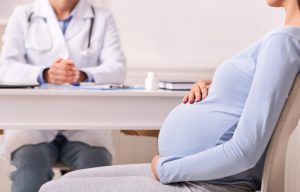
The most common causes of severe maternal morbidity include heavy bleeding after childbirth (postpartum hemorrhage), severe infections such as sepsis, preeclampsia and eclampsia (severe forms of pregnancy-induced hypertension), blood clotting disorders, organ failure, strokes, and complications that require intensive care or surgical intervention. Emergency measures such as blood transfusions or removal of the uterus (hysterectomy) may also be necessary in cases of severe maternal morbidity.
The consequences are often not limited to acute hospital treatment. Many affected women continue to suffer from physical symptoms, chronic pain, or functional limitations months or even years later. Added to this are psychological burdens such as anxiety disorders, depression, or post-traumatic stress reactions, particularly if the complications occurred unexpectedly or threatened the lives of the mother and child.
Furthermore, severe maternal morbidity can have significant social and economic implications. Prolonged hospital stays, rehabilitation, or ongoing health limitations can complicate daily family life and delay care for the newborn as well as a return to work. For this reason, preventing severe maternal complications is considered one of the most important goals of modern obstetrics and gynecology.
Weight Gain as a Modifiable Risk Factor
While factors such as age or pre-existing conditions are often only partially modifiable, weight gain during pregnancy is considered a factor that can be positively influenced through appropriate medical care.
Until now, however, it was unclear to what extent insufficient or excessive weight gain affects the risk of severe complications and whether this association varies depending on the body mass index (BMI) prior to pregnancy. The current study addressed precisely this question. For the study, the researchers analyzed data from the Canadian birth registry “Better Outcomes Registry & Network (BORN) Ontario” as well as hospital data from the Canadian Institute for Health Information (CIHI).
A total of 1,035,927 singleton pregnancies resulting in hospital births between April 2012 and March 2022 were examined. The study included pregnancies from the 20th week of gestation onward or with a birth weight of at least 500 grams.
Weight gain was categorized into three groups according to the recommendations of the Institute of Medicine (IOM):
- insufficient weight gain,
- adequate weight gain,
- excessive weight gain.
The researchers then compared these groups with the incidence of severe maternal morbidity.
More than Half of Pregnant Women Gained Too Much Weight
The analysis showed that excessive weight gain during pregnancy is widespread.
Of the pregnancies studied:
- 18.6 percent had insufficient weight gain,
- 28.6 percent had recommended weight gain,
- 52.8 percent had excessive weight gain.
Overall, 1.46 percent of women—about three out of every 200 pregnant women—developed a severe maternal complication.
Excessive Weight Gain Increases the Risk Across All BMI Groups
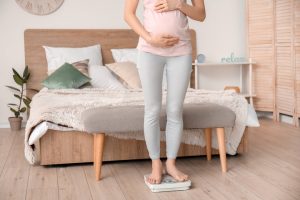
Compared with women with recommended weight gain, excessive weight gain was associated with a higher risk of severe maternal morbidity across all BMI categories. The increases in risk were as follows:
- Underweight: 33 percent
- Normal weight: 24 percent
- Overweight: 16 percent
- Class I obesity: 21 percent
- Class II obesity: 28 percent
- Class III obesity: 24 percent
This showed that it is not exclusively women who are overweight or obese who are at risk. Women with low or normal pre-pregnancy weight also appear to benefit from weight gain within the recommended limits.
Insufficient Weight Gain Can Also be Problematic
Not only excessive weight gain but also insufficient weight gain was associated with health risks.
Insufficient weight gain was associated with an increased risk of serious complications, particularly among women who were of normal weight or overweight before pregnancy. The risk was 13 percent higher among women of normal weight and 19 percent higher among those who were overweight.
According to the researchers, low weight gain played a role particularly among women who were underweight, of normal weight, or overweight, while the association was less pronounced among women with obesity.
Pre-existing Conditions Further Increase the Risk
The situation became particularly critical when conditions such as diabetes or chronic high blood pressure were already present before pregnancy. In these cases, excessive weight gain did not simply result in a cumulative addition of risks. Rather, the individual risk factors reinforced one another, resulting in an overall risk that was significantly higher than expected.
An example from the study illustrates this: A normal-weight woman with diabetes or chronic high blood pressure who also gained excessive weight during pregnancy had a nearly threefold increased risk of severe maternal morbidity compared to a normal-weight woman without pre-existing conditions and with weight gain within the recommended range.
Implications for Prenatal Care
The researchers view their findings as an important indication that recommendations regarding weight gain during pregnancy could be further refined in the future. “Weight gain outside the recommended ranges may be associated with an increased risk of severe pregnancy complications, although the effects vary depending on pre-pregnancy BMI,” the authors write. They emphasize that healthy weight gain is not only important for women who are overweight. Rather, the results show that all pregnant women—regardless of their initial weight—could benefit from close monitoring and support.
Since more than half of the women in the study gained excessive weight, the researchers advocate for providing additional resources to support pregnant women in maintaining healthy weight gain. This could help reduce the risk of serious complications and improve both the mother’s and the child’s health in the long term.
Related Posts
-
While it's natural for women to gain weight during pregnancy, when a mother gains excessive…
-

According to a Swedish study recently published in the U.K. medical journal The Lancet, proper…
-

Weight gain during pregnancy is extremely important. The extra nourishment sustains your body during the…


